Exhibition: Lucas Blalock & Julia Rommel 2026
Lucas Blalock & Julia Rommel Hunks January 17 – February 21, 2026
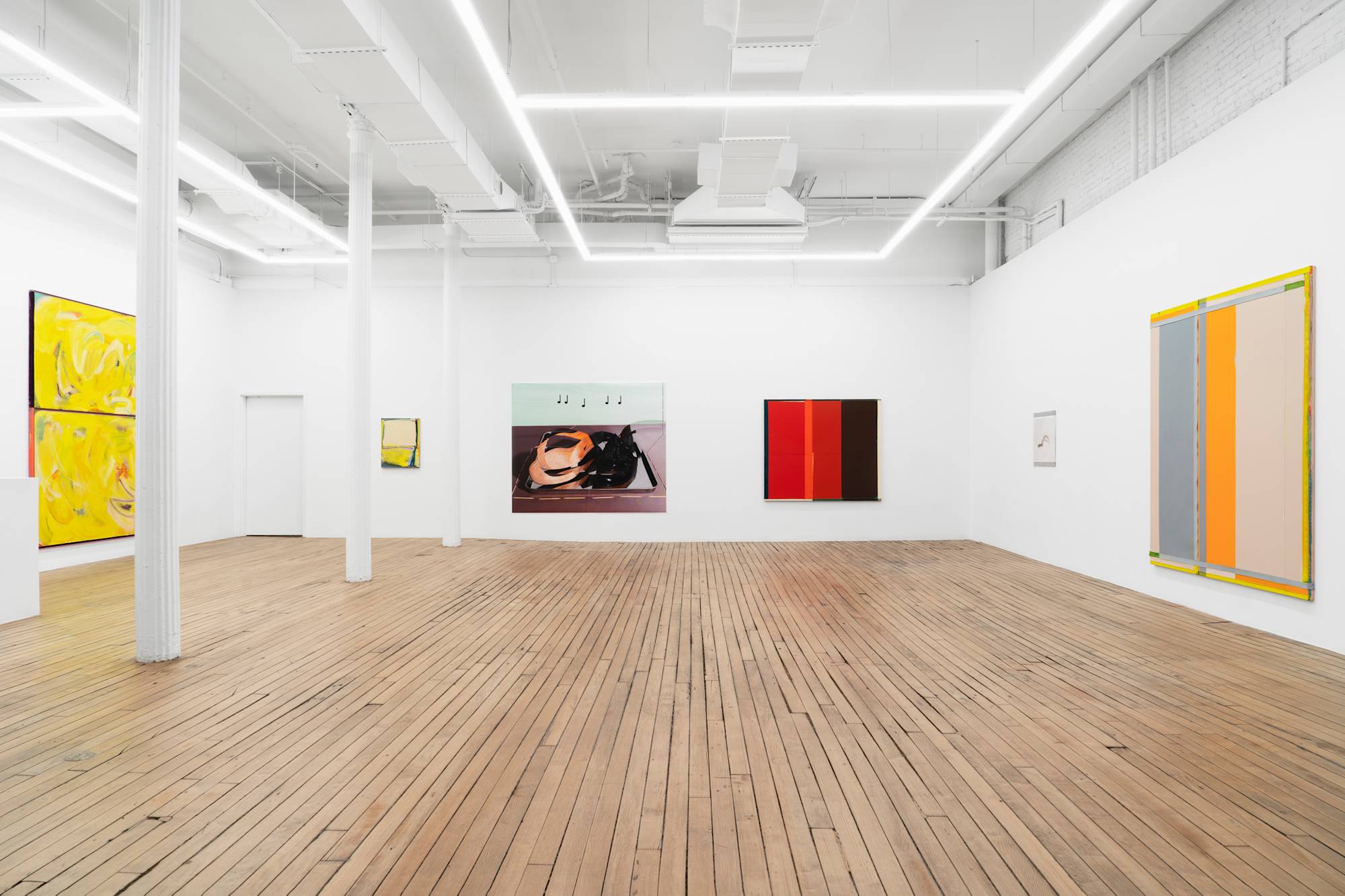
The New York Times CULTURED The Brooklyn Rail | The New Social Environment Contemporary Art Daily New York Art Critics Association Musée Magazine Two Coats of Paint Recording: Lucas Blalock and Julia Rommel in conversation with Nicole Kaack
1. Swiss scholar Heinrich Wölfflin popularized the use of dual slide projectors in art historical lectures. The intensity of the black-and-white images was piercing in the dark of the auditorium; his students likened the experience to approaching the sun. Casting pictures side-by-side, the projectors primed viewers to see through a dialectic of similarity and difference. The compare and contrast framework of art criticism has been attributed to this origin.
2. Consider the two-person show, distinct practices paired to extend each other and call attention to details otherwise set aside. At first glance, Lucas Blalock’s and Julia Rommel’s works are nothing alike. Then we look more closely at the painterly trails in a cartoonish wedge of cheddar that call across the gallery to turbulent fields of yellow. We think again.
3. Is the artwork ever perceived singly, for itself, out of context? Painter R. H. Quaytman emphasizes that her compositions participate in series—exhibitions as chapters, individual works made meaningful by triangulation with their neighbors. In their relationality, they are akin to language.
4. The most basic form of narrative is a numbered list.
5. What does a beginning look like? A cursor blinking out letters; a TIFF of a lightbulb angling from stacked butter sticks; gesso-hardened fabric, stiffening around a dimensional form? Or do we need to go back earlier still to the object under the lights, the unstretched substrate, the hard-edged computer keys as they wait to rattle out their alphabetic strings? Once started, it’s hard to ignore the false moves that call for correction. But how to trick yourself into making a mark, capturing the image, writing anything at all?
6. For Rommel and Blalock, the opening paces of each work follow a set procedure. In Rommel’s studio, raw linen articulates across planar forms—stretcher bars, steepled columns, rectangular prisms; then comes the gesso; finally, paint. She removes the staples and unfolds the fabric to see what groundwork she has laid. In Blalock’s practice, it’s a matter of staging and lights. The shutter’s blades rise and fall in concert. The negatives are sent for processing and return. The artists look again, this time searching for cracks that have the potential to widen into a recursive sequence of gestural moves, each with their own accidents and intents.
7. There are no rules to scissors and staples, clone stamp and eraser tool, exhumations and obstructions, layered JPEGs and Gamsol rags. Keep at it until the field of possibility is played out, the decision-tree dwindled to a single lonely branch. Sometimes the work’s done as soon as it’s started. Other times, it seems never to end.
8. The artists test the limits of their media. Blalock re-asserts the photographer’s presence, turning post-production editing into a form of mark-making and, even, occasionally inserting his body (or its fragmented parts) into the frame. By contrast, Rommel has resisted the brushstroke’s expressive connotations, disguising her hand in the worked dimensionality of near-monochrome panels. Gradually, this control has loosened into considered effusions, neatly contained within the bounding perimeters of the stretcher bars or stapled linen strips.
9. To add is to overwrite what came before. Nostalgia seeks the traces of those first moves, excavates viridian streaks from gray and gold planes, reconstructs whole forms from digital rupture. Discrete temporalities are toothpick-sutured, stapled, stitched, and zipped. These hints of the past do not cohere into a reassuring order of operations, but persist in anachronistic simultaneity. The marks seem to cleave into other worlds. The dress shoe doubles, trebles. Months-old zips of oil paint superimpose themselves before the additions of yesterday.
10. The verb tense of painting and photography is the past. Yet Rommel’s and Blalock’s works rehearse their production self-reflexively—surfaces with the sounds of their own making. Blalock quotes Jean-Luc Godard: “every film is a documentary of its actors acting.” Rommel’s works have been called paintings of paintings. The artists stage a Barthesian burlesque, authorial presence concealed and disclosed within the time-based theatrics of accreted material. When we look at Blalock’s photographs or Rommel’s paintings, do we see the curtain or the stage? —Nicole Kaack
Lucas Blalock (b. 1978 in Asheville, NC) lives and works in Brooklyn, NY. Solo exhibitions include Souvenir Cinema, Consulate General of Switzerland, New York, NY (2025); A.I. Stole My Lunchbox, Nichido Contemporary Art, Tokyo, Japan (2023); Potemkin Village, Galerie Eva Presenhuber, Zurich, Switzerland (2023); Toute Pensée émet un Coup de Dés, Bradley Ertaskiran, Montréal, Candada (2022); Florida, 1989, Galerie Eva Presenhuber, New York, NY (2021); Insoluble Pancakes, Galerie Rodolphe Janssen, Brussels, Belgium (2020); . . . or Or, Museum Kurhaus, Kleve, Germany (2019); An Enormous Oar, curated by Jamillah James, Institute of Contemporary Art, Los Angeles, CA (2019); Ketchup As a Vegetable, Galerie Eva Presenhuber, Zurich, Switzerland (2018); Low Comedy, Ramiken Crucible, New York, NY (2016); A Farmer’s Knowledge, Gallerie Rodolphe Janssen, Brussels, Belgium (2015). His work is in the collections of the Aïshti Foundation, Beirut, Lebanon; Baltimore Museum of Art, Baltimore, MD; Buffalo AKG Art Museum, Buffalo, NY; Center for Creative Photography, Tucson, AZ; Dallas Museum of Art, Dallas, TX; Solomon R. Guggenheim Museum, New York, NY; Hammer Museum, Los Angeles, CA; Hessel Museum of Art, Bard College, Annandale-On-Hudson, NY; Institute of Contemporary Art, Miami, Miami, FL; KADIST, San Francisco, CA; Los Angeles County Museum of Art, Los Angeles, CA; The Metropolitan Museum of Art, New York, NY; Museum Kurhaus Kleve, Kleve, Germany; Museum Of Contemporary Art Chicago, Chicago, IL; Museum of Fine Arts Boston, Boston, MA; The Museum of Modern Art, New York, NY; Nasher Sculpture Center, Dallas, TX; The New York Public Library, New York, NY; Portland Museum of Art, Portland, ME; Taschen Collection, Zurich, Switzerland; and the Whitney Museum of American Art, New York, NY.
Julia Rommel (b. 1980 in Salisbury, MD) lives and works in Brooklyn, NY. Solo and two-person exhibitions include Burnt Toast, Standard (Oslo), Oslo, Norway (2025); MASSIMODECARLO Pièce Unique, Paris, France (2024); Staples, Bureau, New York, NY (2024); Just a Splash, Standard (Oslo), Oslo, Norway (2022); Uncle, Bureau, New York, NY (2022); Long Leash, Overduin & Co., Los Angeles, CA (2020); Fall Guy, Standard (Oslo), Oslo, Norway (2019); Candy Jail, Bureau, New York, NY (2019); Twin Bed, Bureau at Tanya Leighton, Berlin, Germany (2018); Stay-at-Home Dad, with Mathew Cerletty, Standard (Oslo), Oslo, Norway (2017); Man Alive, Bureau, New York, NY (2016); A Cheesecake With Your Name On It, Overduin & Co., Los Angeles, CA (2016); Two Italians, Six Lifeguards, The Aldrich Contemporary Art Museum, Ridgefield, CT (2015). Her work is in the collections of the Aïshti Foundation, Beirut, Lebanon; Astrup Fearnley Museet, Oslo, Norway; Baltimore Museum of Art, Baltimore, MD; Buffalo AKG Art Museum, Buffalo, NY; Hammer Museum, Los Angeles, CA; KADIST, Paris, France, and San Francisco, CA; Kistefos Museum, Jevnaker, Norway; Museum of Modern Art, New York, NY; San Francisco Museum of Modern Art, San Francisco, CA; The Metropolitan Museum of Art, New York, NY; Walker Art Center, Minneapolis, MN; and the Whitney Museum of American Art, New York, NY.


Julia Rommel, Musical Guest, 2025, Oil on linen, 102 × 82 in. (259.08 × 208.28 cm)


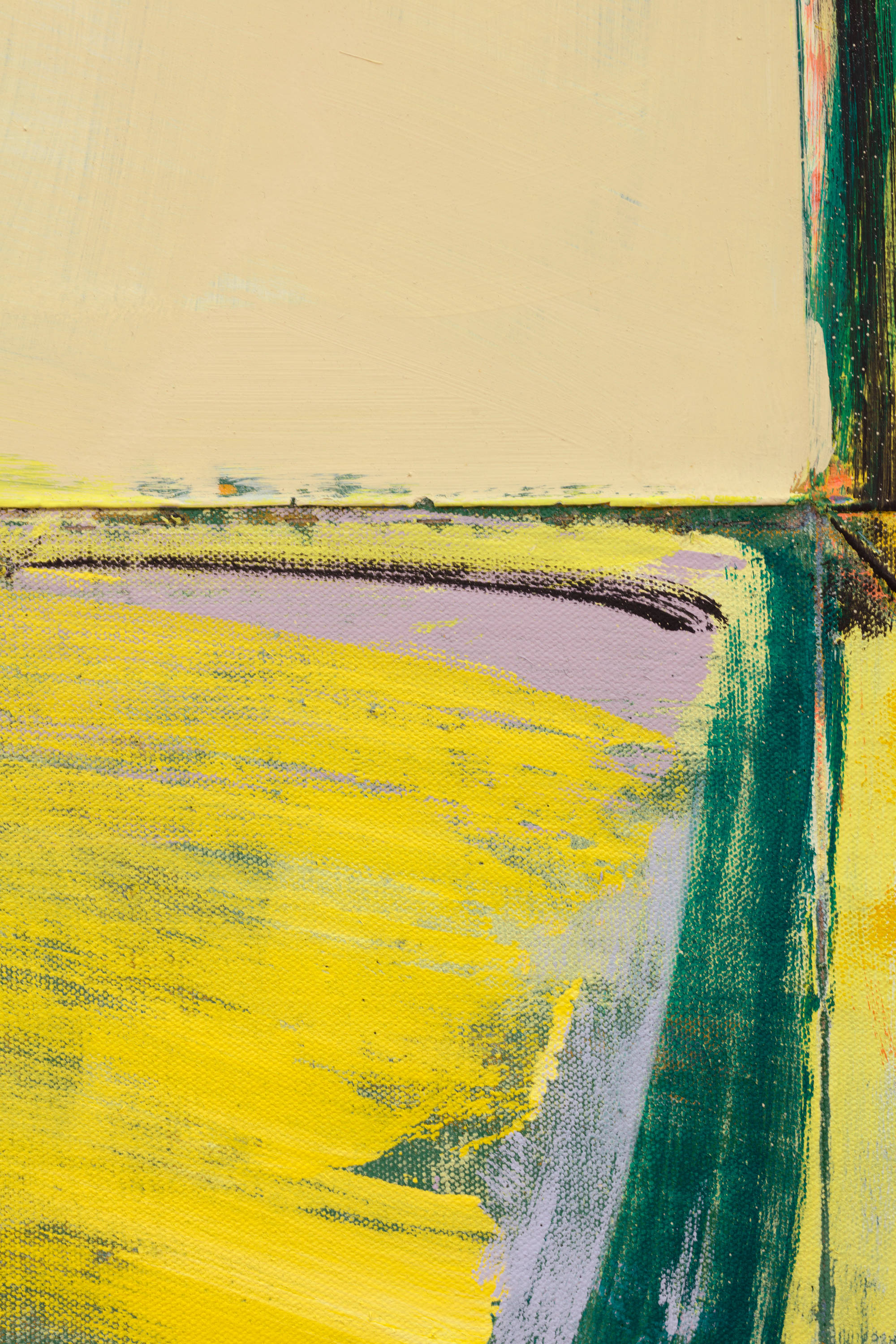
Julia Rommel, Wine and Cheese, 2025, Oil on linen, 27 ½ × 21 ½ in. (69.85 × 54.61 cm)

Lucas Blalock, F/D/u/a/n/n/e/c/r/I/a/n/l/g Shoes, 2025, Archival inkjet print, 72 × 86 in. (182.88 × 218.44 cm), Edition of 1 plus I AP

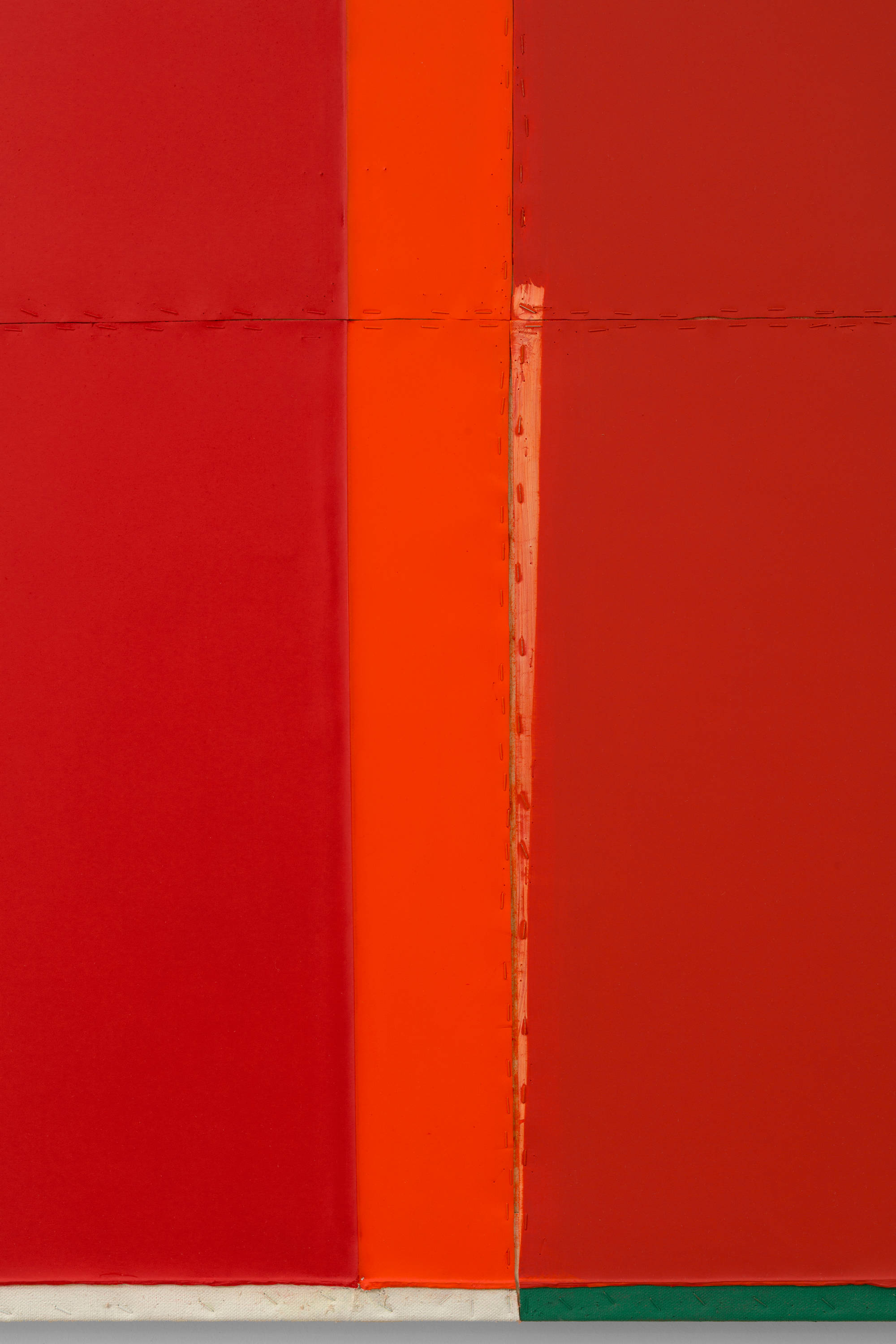
Julia Rommel, Agency, 2025, Oil on linen, 56 × 64 in. (142.24 × 162.56 cm)


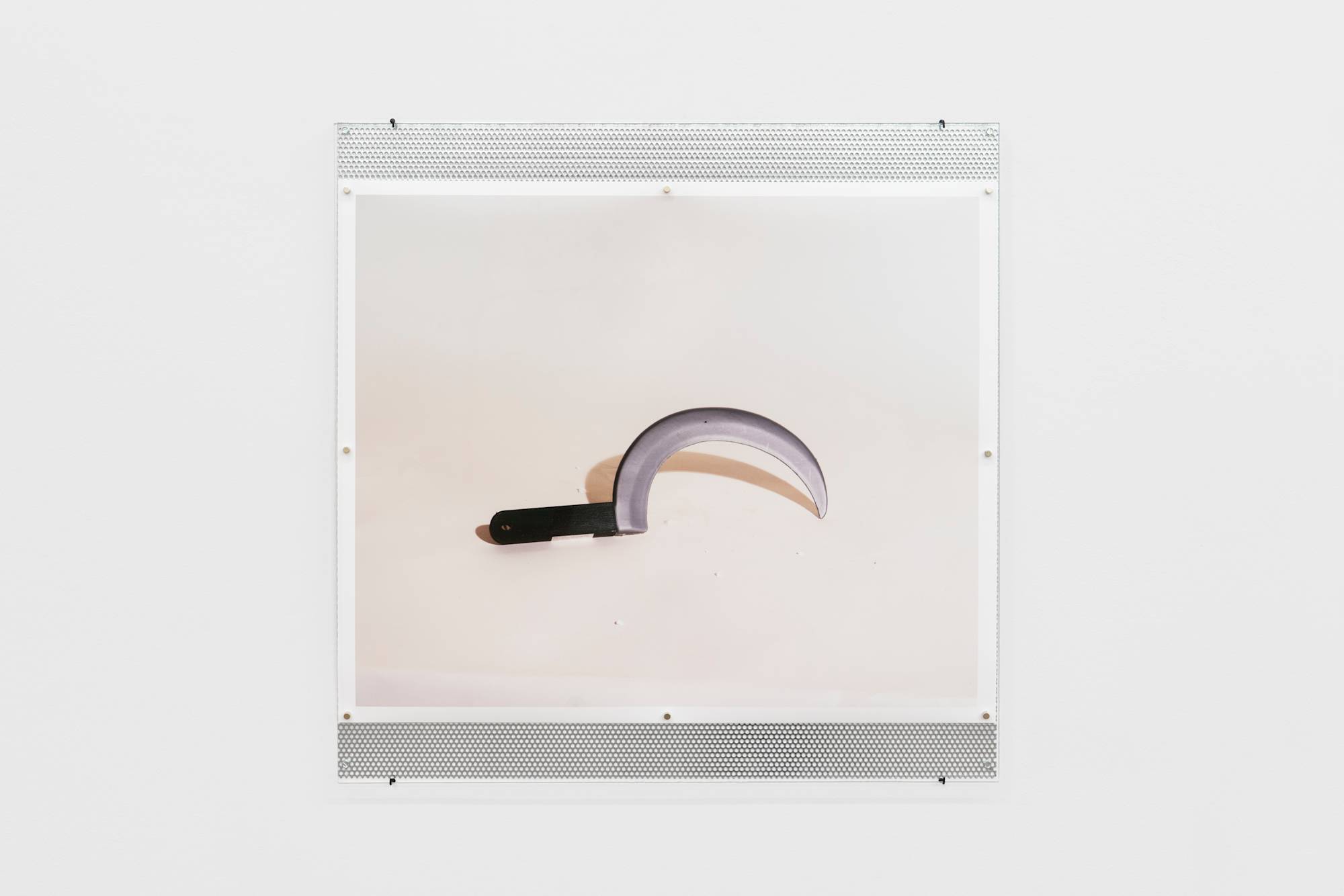
Lucas Blalock, Hammer, 2025, Archival inkjet print, 19 × 22 ½ in. (48.26 × 57.15 cm), Edition of 4 plus I AP

Julia Rommel, Disciple, 2025, Oil on linen, 84 × 73 in. (213.36 × 185.42 cm)
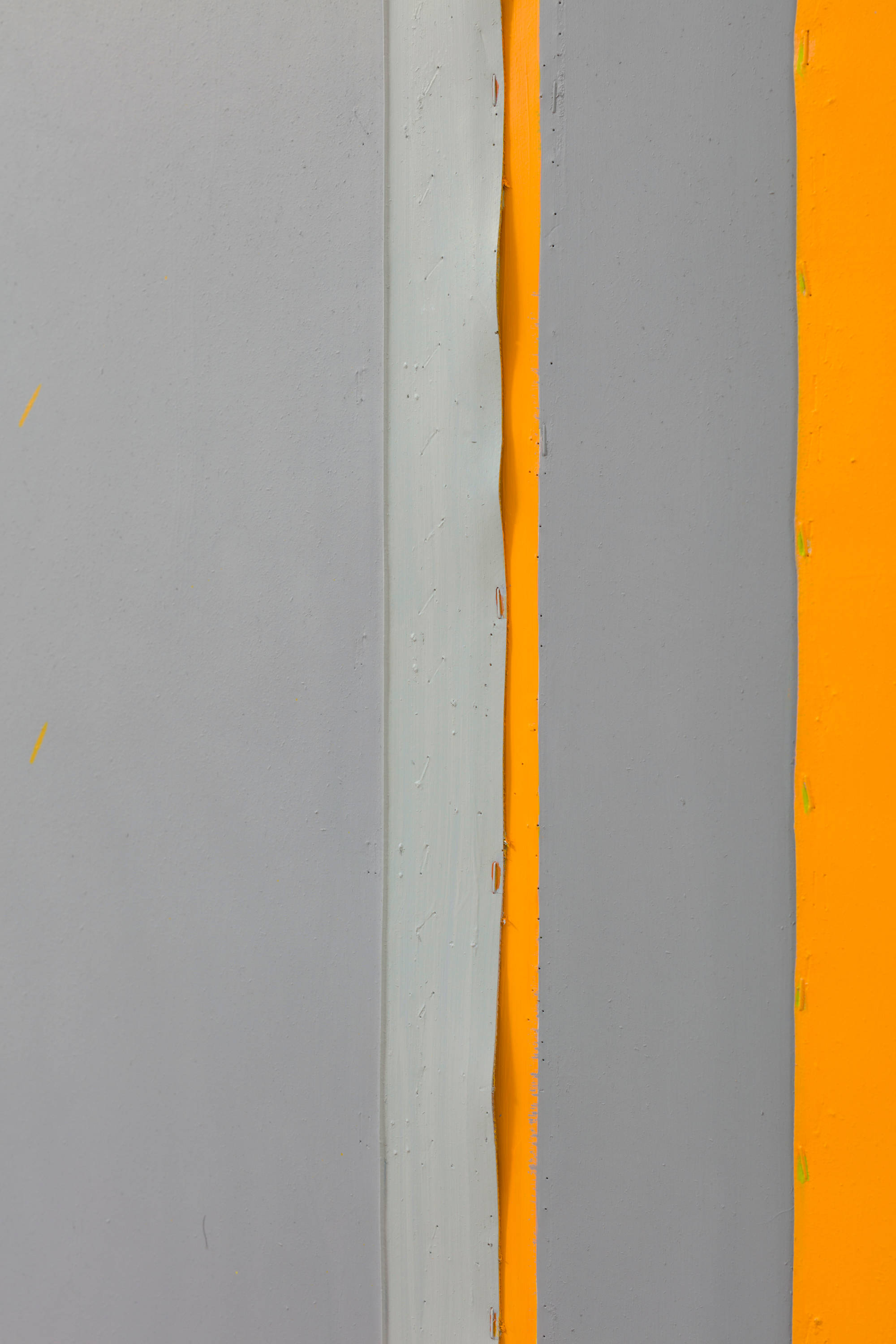

Lucas Blalock, Cheesehead, 2025, Archival inkjet print, 72 × 84 in. (182.88 × 213.36 cm), Edition of 1 plus I AP
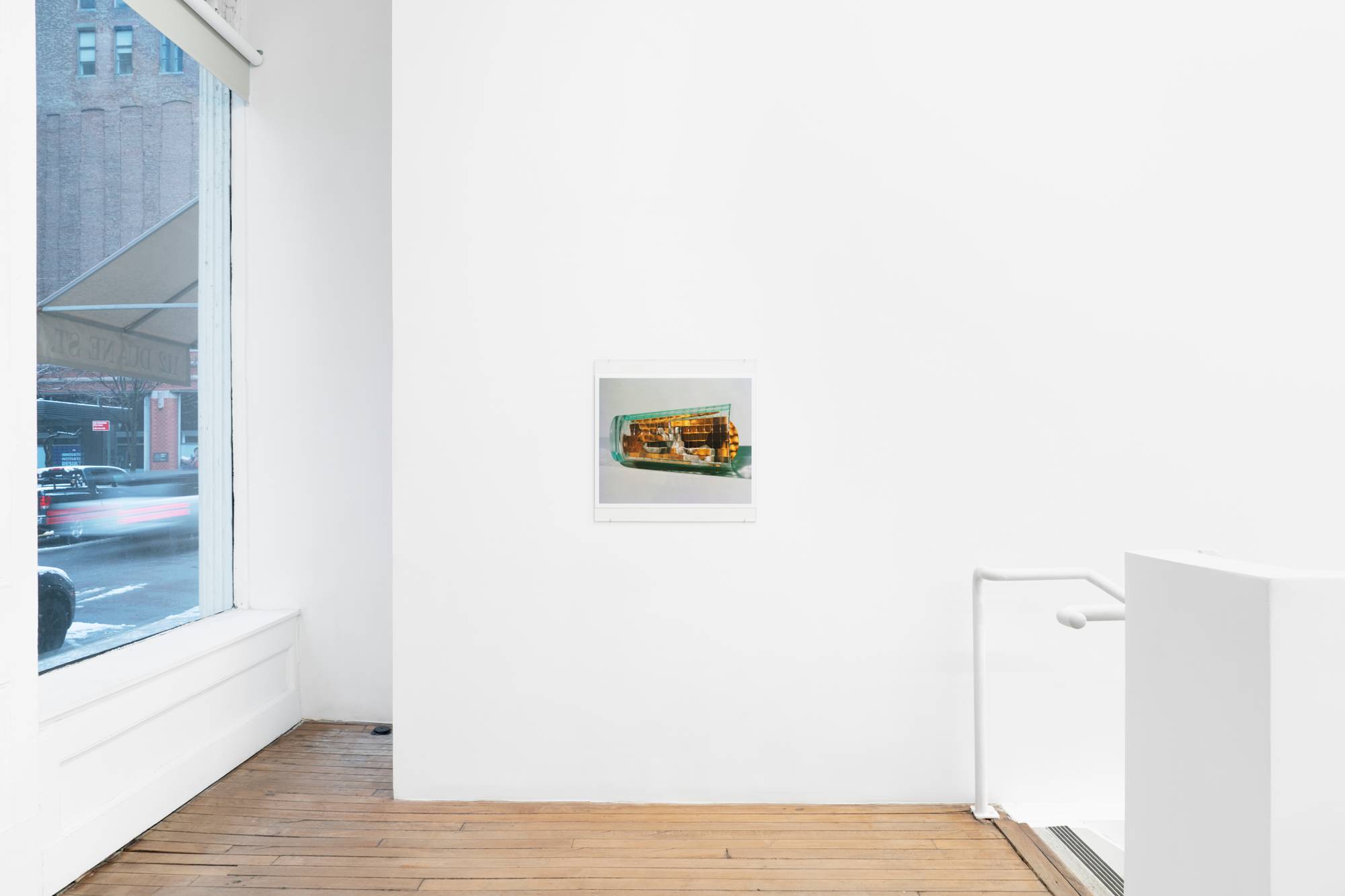
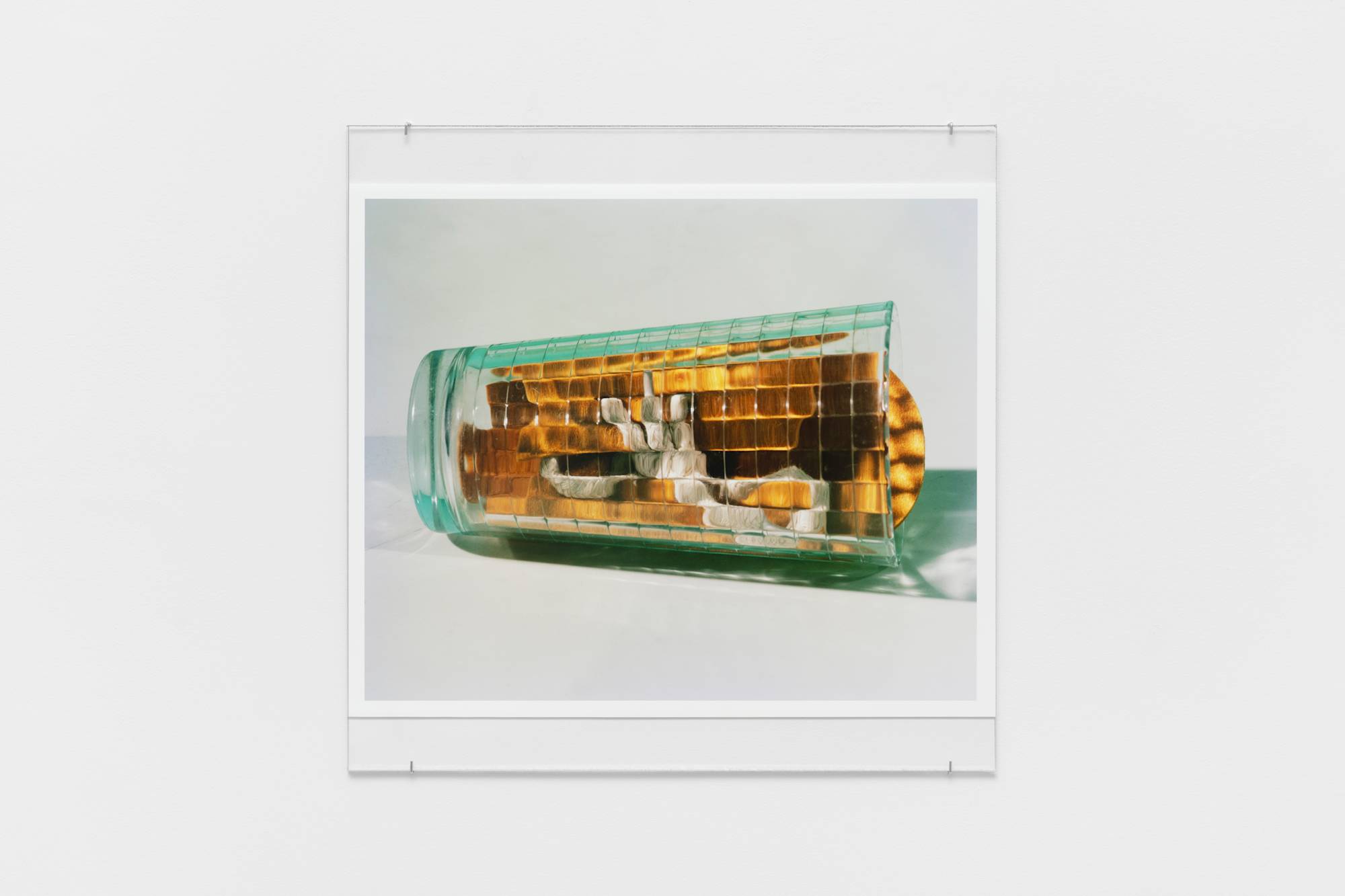
Lucas Blalock, Corncob, 2025, Archival inkjet print, 19 × 22 ½ in. (48.26 × 57.15 cm), Edition of 4 plus I AP


Lucas Blalock, The Fold, 2025, Archival inkjet print, 72 × 84 in. (182.88 × 213.36 cm), Edition of 1 plus I AP

Julia Rommel, Kiddo, 2025, Oil on linen, 24 × 22 ½ in. (60.96 × 57.15 cm)
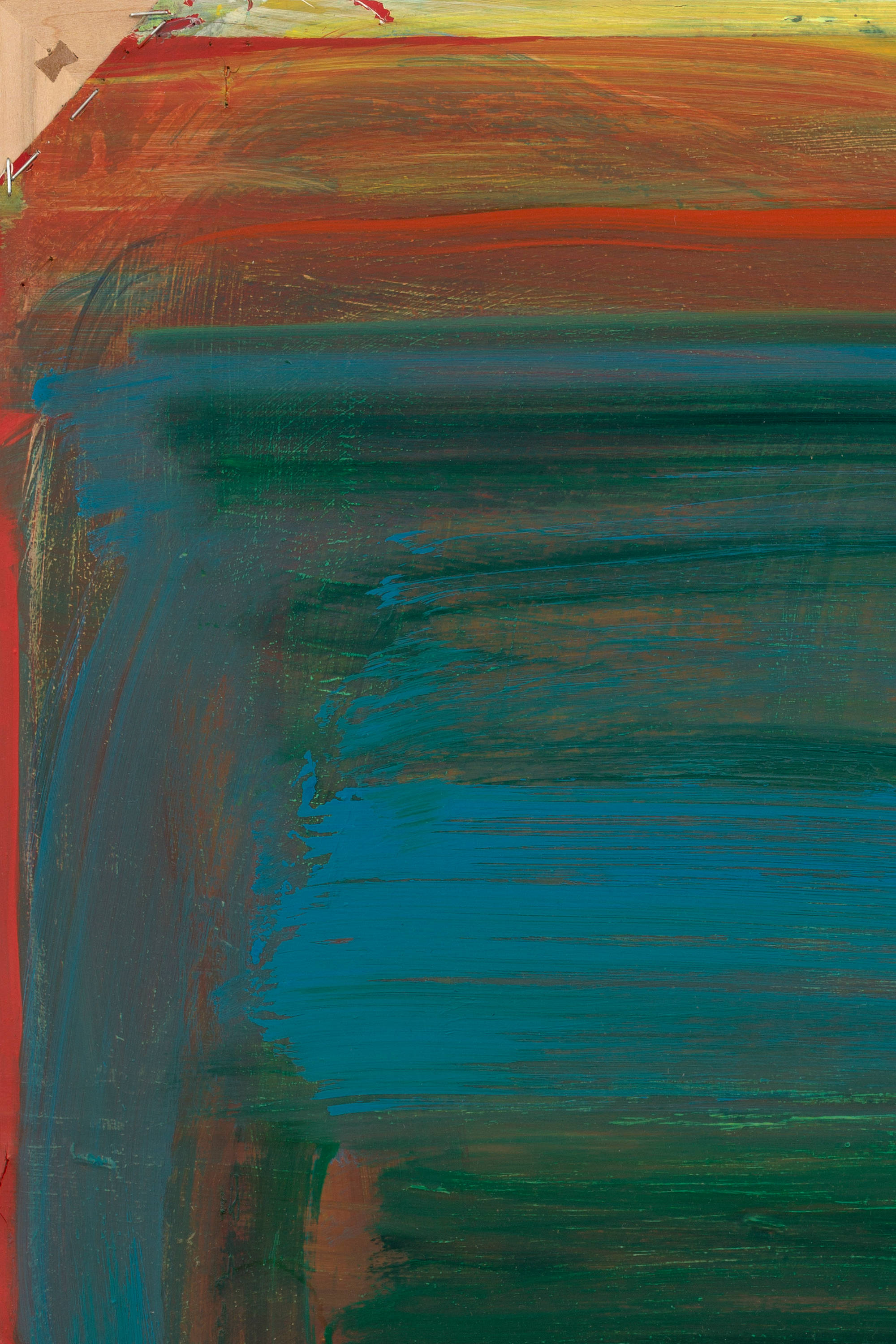


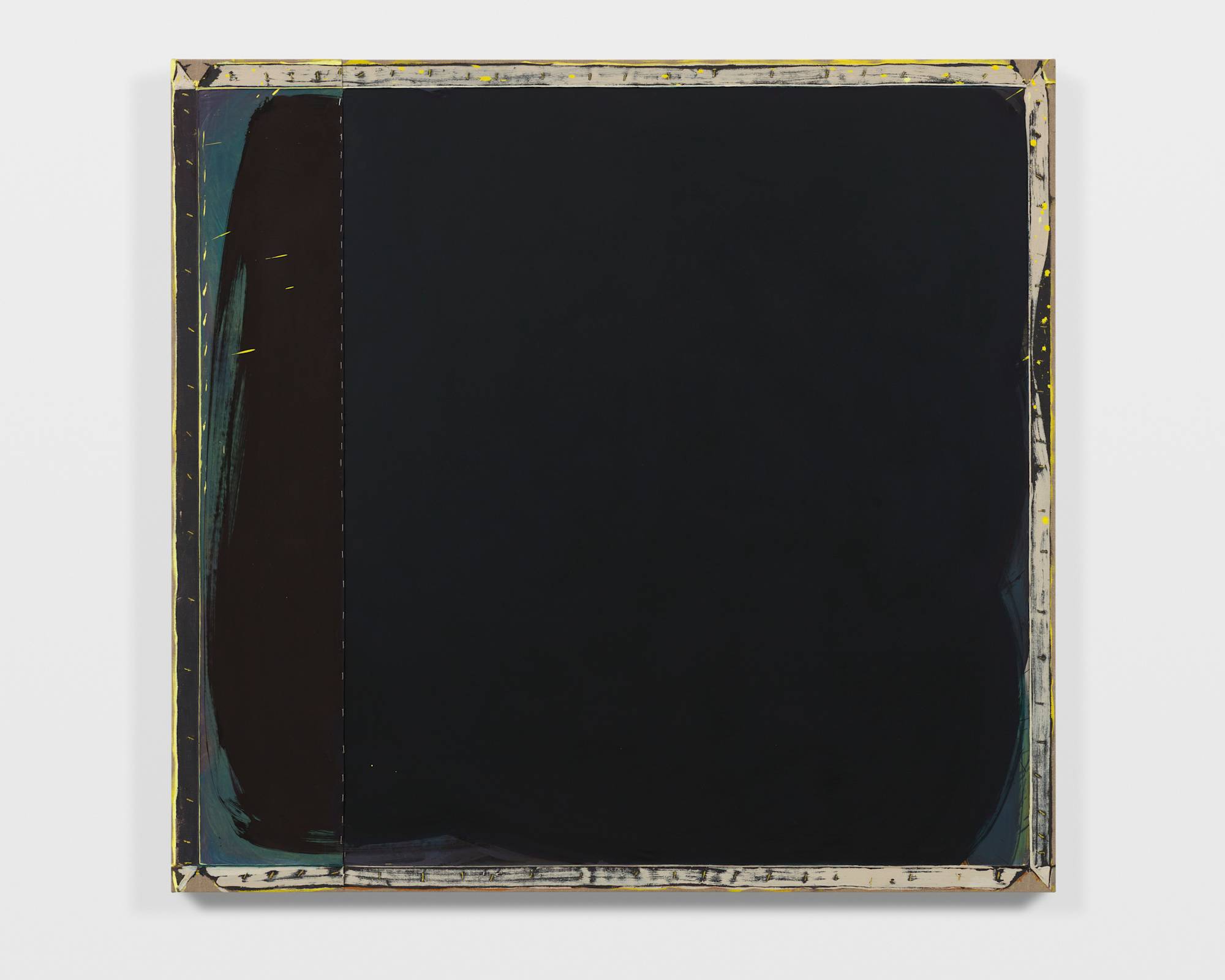
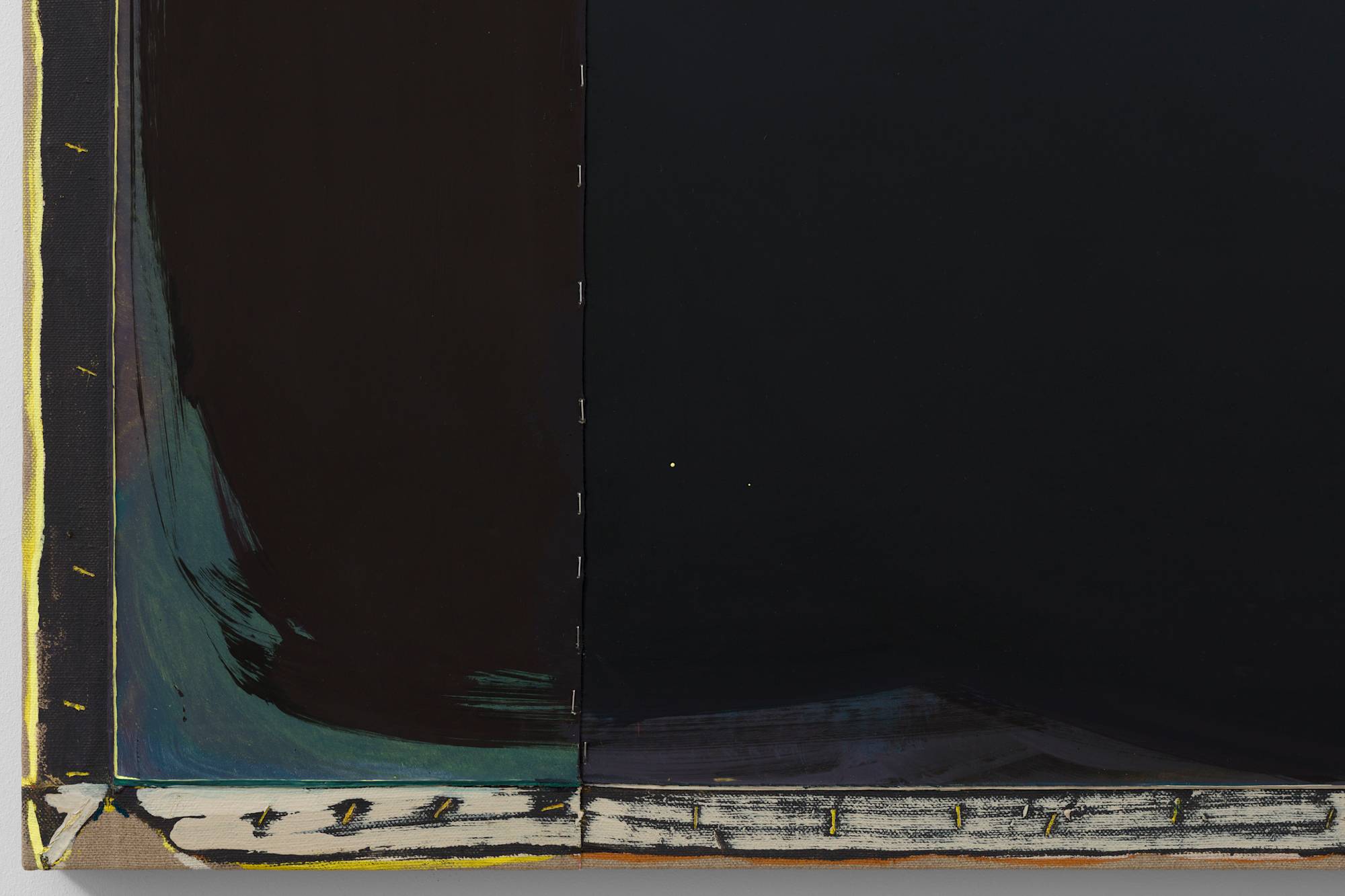
Julia Rommel, Studs, 2025, Oil on linen, 55 ½ × 59 ½ in. (140.97 × 151.13 cm)

Lucas Blalock, Fat Lamp, 2025, Archival inkjet print, 19 × 22 in. (48.26 × 55.88 cm), Edition of 4 plus I AP